
Hedge Trimming & Reduction
Walsall & West Midlands
100% Satisfaction Guaranteed across Walsall, Wolverhampton,
Sutton Coldfield, Aldridge, Cannock & West Midlands

Can’t Arrange a Site Visit?
We offer quote-by-email for customers who cannot arrange a traditional visit. Send us a photo and a brief description of the work you need, and we will provide an indicative price. Email office@aandjtreeservices.co.uk or call 01922 404537.
Professional Hedge Services
A well-maintained hedge enhances any property, providing privacy, security, and natural beauty. But hedges grow quickly, and without regular attention they can become overgrown, patchy, and a source of disputes with neighbours. A and J Tree Services provides professional hedge trimming, cutting, reduction, and removal across Walsall, Wolverhampton, Dudley, Cannock, Willenhall, and the wider West Midlands.
Services We Offer
- Regular hedge trimming – Keeping your hedges neat, tidy, and at the desired height throughout the growing season.
- Hedge reduction – Bringing an overgrown hedge back to a manageable size. Particularly common for leylandii and laurel hedges that have been left too long.
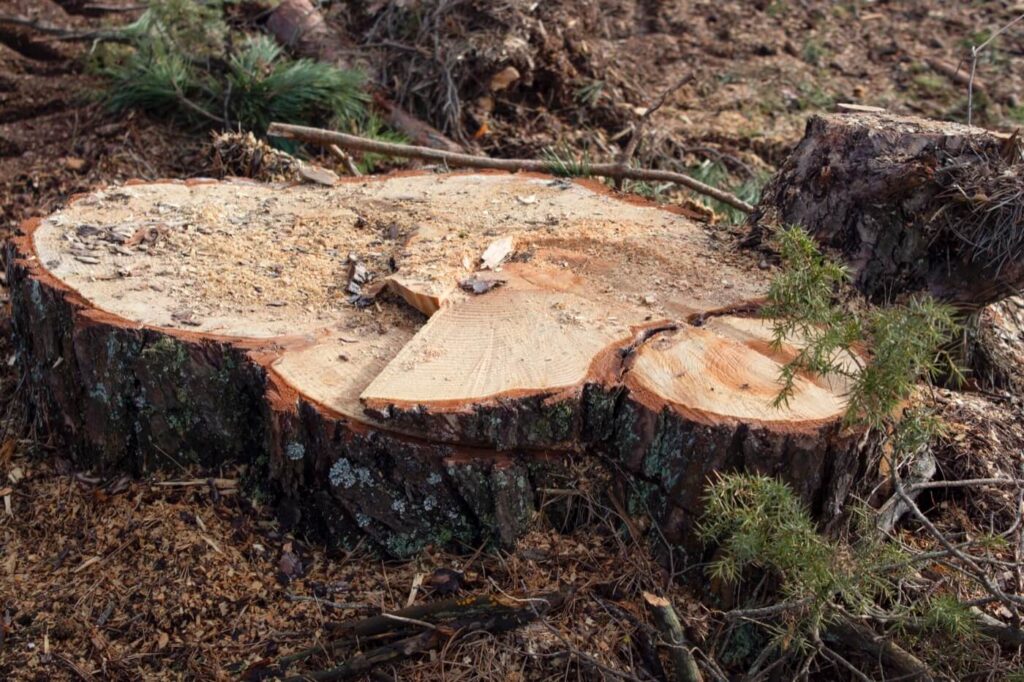
- Hedge removal – Complete removal of unwanted hedges, including stump grinding of the root systems if required.
- Hedge shaping – Formal and informal shaping to achieve the look you want.
- Conifer hedge management – Specialist care for leylandii and other conifer hedges, including reduction within the green growth zone.
Expert Hedge Trimming and Reduction in Walsall: Professional Services for Healthier Hedges
Expert Hedge Trimming and Reduction in Walsall: Professional Services for Healthier Hedges
Well-maintained hedges define property boundaries, provide privacy, create wildlife habitat, and contribute to the beauty of gardens and commercial landscapes throughout Walsall and the West Midlands. However, hedges require regular professional care to remain healthy, attractive, and within legal boundaries. Whether your leylandii hedge has become overgrown, your conifer hedge needs reshaping, or you’re considering a complete hedge reduction, A and J Tree Services provides expert hedge trimming and reduction services tailored to your specific needs and local regulations.
Understanding Hedge Trimming vs. Hedge Reduction
While the terms are sometimes used interchangeably, hedge trimming and hedge reduction serve different purposes and require different approaches.
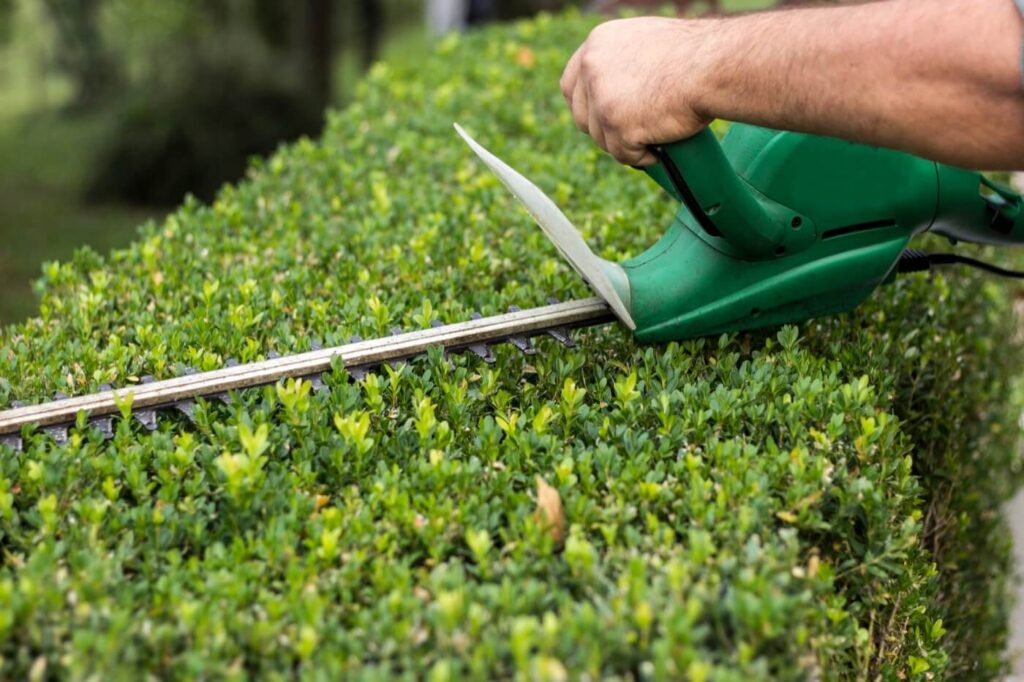
Hedge Trimming refers to regular maintenance cutting to maintain a hedge’s established size and shape. Typical hedge trimming removes the current season’s growth, usually 2-4 inches, keeping the hedge within desired dimensions. This is ongoing maintenance that most properties require annually or sometimes twice yearly, depending on growth rate and personal preference.
Hedge Reduction is a more substantial intervention. It’s used when a hedge has become too large for its space, has grown beyond its original parameters, or when a property owner wants to significantly reduce its height or width. Hedge reduction might involve removing 1-2 feet or more of growth, sometimes over multiple seasons. This requires more specialized knowledge because aggressive cutting can damage or even kill certain hedge types.
Many Walsall property owners find themselves needing hedge reduction after several years of inconsistent maintenance, or when a hedge has outgrown the space originally allocated. A and J Tree Services assesses each hedge’s age, species, health, and growth pattern to recommend the most effective approach.
Common Hedge Types in the West Midlands and Their Care
Different hedge species have different trimming requirements and tolerance for reduction.
Leylandii Hedges: Popular but sometimes problematic, leylandii (Leyland cypress) hedges grow vigorously and quickly become overgrown if not maintained. These conifers respond reasonably well to trimming but not to drastic reduction—cutting into brown, older wood often doesn’t regenerate. Regular annual or bi-annual trimming is the best approach. Height disputes between neighbors over leylandii hedges are not uncommon in suburban areas, and professional trimming helps prevent conflicts.
Conifer Hedges: Yew, holly, and other conifers are common in traditional West Midlands properties. These species are generally more tolerant of reduction than leylandii, though they still require careful technique. They’ve been trimmed in some English gardens for centuries, proving their resilience when properly managed.
Deciduous Hedges: Hawthorn, beech, and hornbeam hedges are excellent for wildlife and traditional boundaries. These species tolerate heavy reduction and even coppicing (cutting nearly to ground level) and will regenerate vigorously. Winter trimming of deciduous hedges is often ideal, as the lack of foliage makes working easier and allows better structure assessment.
Mixed Hedges: Many properties feature hedges combining multiple species. These require knowledge of each component species’ tolerances and growth rates to maintain balance and health.
At A and J Tree Services, our arborists understand the characteristics of each hedge type common to Walsall, Wolverhampton, Dudley, and Staffordshire properties. This expertise ensures trimming and reduction work preserves hedge health while achieving your objectives.
The Wildlife and Countryside Act: Legal Requirements for Hedge Trimming
One critical aspect many property owners overlook is the legal framework surrounding hedge cutting. The Wildlife and Countryside Act 1981 and subsequent regulations impose restrictions on hedge trimming timing to protect nesting birds.
From March 1 to August 31, most UK hedges cannot be cut if nesting birds are present. This applies to both public and private property. The rationale is straightforward: nesting birds need protected spaces to raise their young without disturbance. Fines for violating these restrictions can reach hundreds of pounds per offense.
What does this mean for your Walsall hedge trimming schedule? If you must trim between March and August, a professional arborist will inspect the hedge for nesting activity before commencing work. If nesting birds are found, work must be deferred until August or later. The safest approach is to schedule hedge trimming for September through February, when nesting is complete.
“Understanding the legal side of hedge work is part of professional responsibility,” says Andrew Jones of A and J Tree Services. “We always check for nesting birds and schedule work accordingly. It protects the birds, protects our clients legally, and ensures we’re operating responsibly.”
For commercial property managers and residential owners needing hedge work done, A and J Tree Services handles all legal and environmental considerations, providing peace of mind that work complies with all relevant regulations.
Professional Hedge Trimming Benefits Beyond Appearance
While aesthetics matter, professional hedge trimming offers benefits beyond visual appeal:
Improved Health: Regular trimming stimulates new growth, maintains vigorous structure, and allows better air circulation and light penetration throughout the hedge. This reduces disease pressure and pest problems.
Longevity: A well-maintained hedge can last decades or even centuries. Neglected hedges often deteriorate, develop bare patches, and eventually require complete removal and replanting—far more costly than ongoing care.
Structure and Safety: Professional trimming maintains solid, dense growth at the base, creating more effective privacy and security barriers. Overgrown hedges often become thin and sparse at ground level, reducing privacy and creating visual problems.
Wildlife Habitat: Contrary to what some assume, professionally maintained hedges are excellent for wildlife. Regular trimming encourages dense branching, berry production, and shelter for birds, insects, and small mammals. Overgrown, neglected hedges actually provide poorer habitat.
Reduced Future Work: A hedge kept within bounds requires less dramatic work in future years. Conversely, allowing a hedge to grow unchecked creates a situation where drastic reduction becomes necessary, stressing the plant and requiring years of recovery.
Hedge Reduction: Managing Overgrown Hedges
For hedges that have become too large, reduction is often the solution. However, the approach depends on species and severity.
Gradual Reduction: This method reduces height or width by 6-12 inches per year over multiple seasons. It’s gentler on the plant, reduces shock, and often results in better regrowth and recovery. Most conifer hedges and deciduous species tolerate gradual reduction well.
Single-Season Reduction: Some species and circumstances allow removal of larger amounts in one season. However, this requires expertise to avoid killing the hedge or creating bare, ugly recovery zones.
Our arborists assess each situation individually. An overgrown leylandii hedge might require two years of gradual reduction, while a thick hawthorn or beech hedge might tolerate more aggressive work in a single season.
Hedge Trimming Costs and Value
Hedge trimming costs vary based on length, height, density, current condition, and desired trim style. For professional trimming in Walsall and surrounding areas:
– **Small hedges** (up to 30 meters): £200-£500
– **Medium hedges** (30-60 meters): £400-£900
– **Large hedges** (60+ meters or complex shapes): £800-£2,000+
Hedge reduction adds to costs but represents excellent value—the alternative is allowing the hedge to deteriorate to the point of removal and replanting, which costs significantly more.
Regular annual trimming typically costs less than occasional larger interventions. Many properties operate on a 12-month maintenance schedule, with work scheduled during optimal seasonal windows.
Planning Application Considerations for Hedges
Some properties are subject to planning conditions regarding hedges, particularly in conservation areas or where hedges form part of approved landscapes. Knowing your local planning context is important. Professional arborists can advise whether your specific hedge work requires planning approval or notification.
In Walsall and Wolverhampton, where many properties are in areas with historical significance, checking planning guidelines before major hedge work is prudent. A and J Tree Services can advise during the consultation phase.
Hedge Trimming Equipment and Safety
Professional hedge trimming uses specialized equipment—high-reach cutters, aerial platforms for tall hedges, handheld shears, and powered cutters—all requiring proper training and safety protocols. DIY hedge trimming can be time-consuming and risky, particularly for tall or inaccessible hedges.
Professional services ensure the work is completed safely, legally, and to professional standards that enhance rather than compromise property value.
Scheduling Your Hedge Trimming
For most Walsall properties, September through early February is optimal. This avoids nesting bird season, works with tree dormancy cycles, and allows excellent visibility for precise trimming. Summer trimming is possible but requires confirming no nesting birds are present.
Contact A and J Tree Services on 07930 095205 to discuss your hedge needs. We serve Walsall, Wolverhampton, Dudley, Cannock, Willenhall, and throughout Staffordshire with professional hedge trimming and reduction that respects both your vision and environmental responsibilities.
Healthy, well-maintained hedges enhance property value, provide privacy and wildlife habitat, and create the attractive landscape boundaries that define quality properties across the West Midlands.
Types of Hedges We Work With
Privet, leylandii, laurel (both cherry and Portuguese), beech, hornbeam, box, yew, hawthorn, mixed native hedges, and all other common UK hedge species.
When to Trim Hedges
The best time for most hedge trimming is late spring (after nesting season) and late summer. Under the Wildlife and Countryside Act 1981, it is an offence to intentionally damage or destroy the nest of any wild bird while it is in use. We always check for nesting birds before starting any hedge work between March and August.
Hedge Trimming FAQs
Can you reduce a very tall leylandii hedge?
Yes, but with care. Leylandii will not regrow from old, brown wood, so reduction must stay within the green growth zone. We will advise on what is achievable for your specific hedge.
How often should hedges be trimmed?
Most hedges benefit from two trims per year — late spring and late summer. Fast-growing species like privet and leylandii may need a third trim in mid-summer.
Do you offer regular maintenance contracts?
Yes. We offer scheduled maintenance visits for both domestic and commercial clients who want their hedges kept in top condition year-round.
Our Services
We're here to help! Call Us Today!