Deadwooding & Dead Branch Removal
in Walsall & the West Midlands
100% Satisfaction Guaranteed across Walsall, Wolverhampton,
Sutton Coldfield, Aldridge, Cannock & West Midlands

Can’t Arrange a Site Visit?
We offer quote-by-email for customers who cannot arrange a traditional visit. Send us a photo and a brief description of the work you need, and we will provide an indicative price. Email office@aandjtreeservices.co.uk or call 01922 404537.
Professional Deadwooding Services
Dead branches in a tree canopy are not just unsightly — they are a genuine safety risk. Dead wood is brittle, unpredictable, and can fall without warning, posing a danger to anyone walking, playing, or working beneath the tree. Deadwooding is the removal of dead, dying, and severely diseased branches from the crown, and it is one of the most important safety-related tree services we provide.
A and J Tree Services carries out professional deadwooding across Walsall, Wolverhampton, Dudley, Cannock, Willenhall, and the wider West Midlands. We work for homeowners, schools, care homes, hotels, businesses, landlords, and local councils — anywhere that people gather near trees.
Professional Deadwooding Services in Walsall: Removing Dead Branches Safely
Professional Deadwooding Services in Walsall: Removing Dead Branches Safely
Dead branches hanging from trees might seem like a minor issue, but they pose significant safety risks to your property and anyone in the vicinity. Deadwooding is a specialized tree care process that removes dead, dying, or diseased wood from a tree’s crown while maintaining the tree’s health and structural integrity. At A and J Tree Services, we’ve been providing expert deadwooding services across Walsall, Wolverhampton, Dudley, and throughout the West Midlands for over a decade, helping property owners protect their families, buildings, and landscapes.
What Is Deadwooding and Why It Matters
Deadwooding refers to the selective removal of dead, dying, or infected branches from within a tree’s canopy. Unlike crown reduction or pruning for aesthetic purposes, deadwooding is fundamentally about safety and tree health. A dead branch can fall without warning, particularly during adverse weather conditions such as high winds or heavy snow. The unpredictability of when a dead branch will fail makes deadwooding not just a maintenance choice, but a critical safety measure for any property with mature trees.
Trees naturally shed dead branches as part of their life cycle, but human proximity to trees—near homes, gardens, parking areas, and pathways—means we can’t always rely on nature’s timeline. A dead branch could fall tomorrow or remain attached for months. Professional arborists understand tree biology and can identify which wood is truly dead and pose the greatest risk, versus branches that are simply dormant or stressed.
Why Dead Wood Becomes a Safety Hazard
Dead wood loses its structural integrity over time. Living wood contains water and nutrients that maintain flexibility and strength. When a branch dies, it becomes brittle and less able to withstand wind loading or the weight of rain and ice. Additionally, dead wood cannot be supported by the tree’s active growth processes, meaning the connection point between the dead branch and the living wood gradually deteriorates.
Weather events are the primary trigger for branch failure. High winds, thunderstorms, and even moderate gusts can snap dead branches from the tree. Heavy snow or ice accumulation adds weight that living branches might support, but dead wood cannot. In winter across the West Midlands, conditions are particularly conducive to branch failure, making autumn and winter ideal times for deadwooding inspections.
Dead branches also attract pest insects and fungal pathogens. Once a branch is dead, it becomes an entry point for disease organisms that can potentially spread into living wood. This is why professional dead wood removal isn’t just about immediate safety—it’s an investment in your tree’s long-term health.
How Professional Deadwooding Works
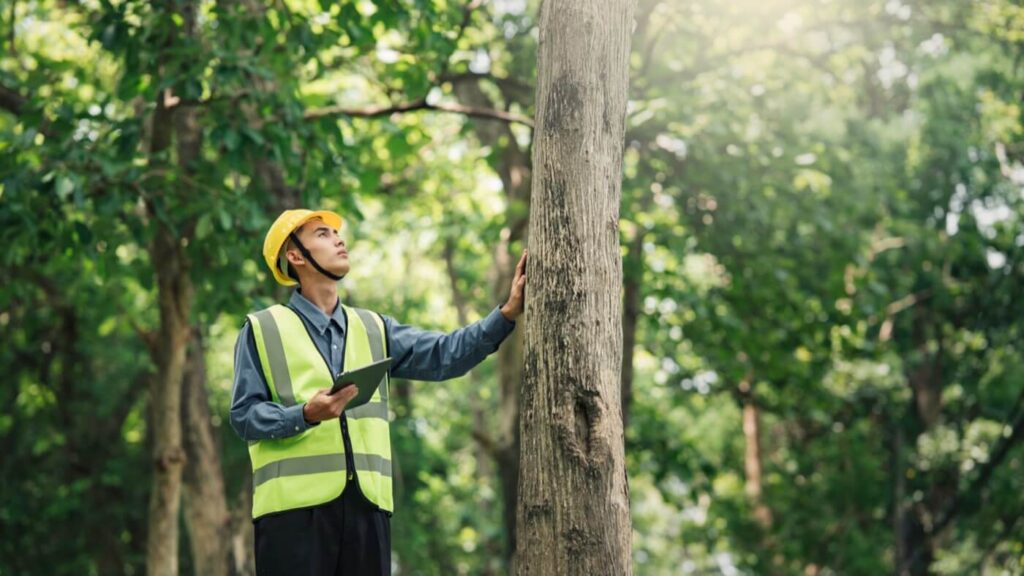
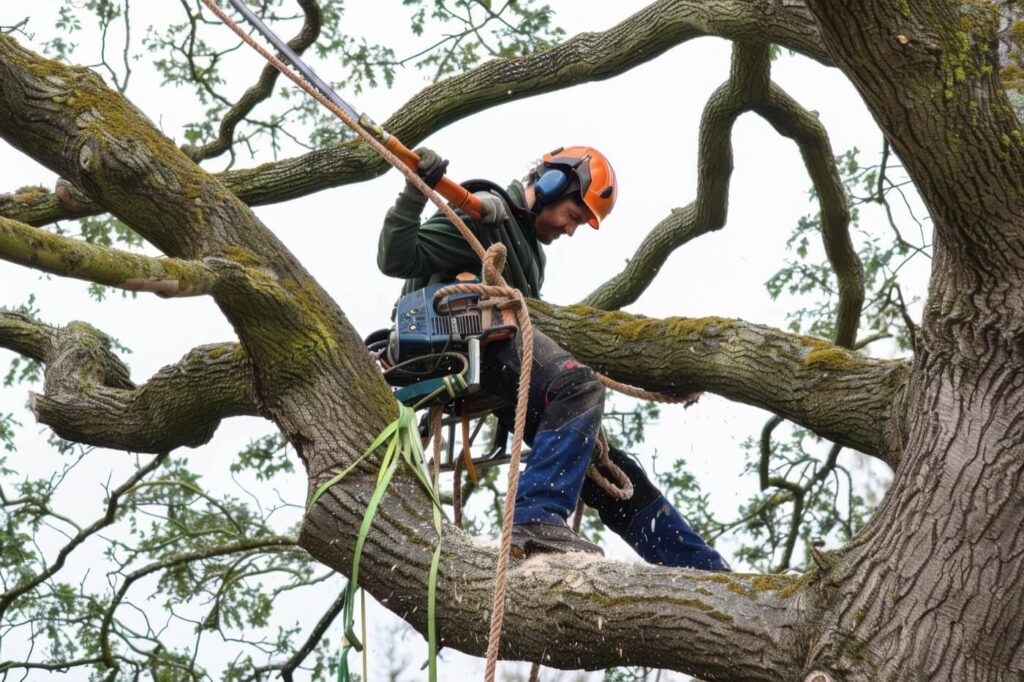
Professional arboricultural deadwooding follows a systematic approach. An experienced tree surgeon begins with a detailed inspection of the tree’s crown, identifying all dead wood and assessing its location, size, and potential risk. Using specialized equipment and techniques, dead branches are then removed with precision, ensuring the cuts are made correctly to promote healing and maintain tree structure.
At A and J Tree Services, our arborists use industry-standard methods for deadwooding:
Crown Assessment: We examine the entire canopy to identify all dead and dying wood, not just the obvious branches.
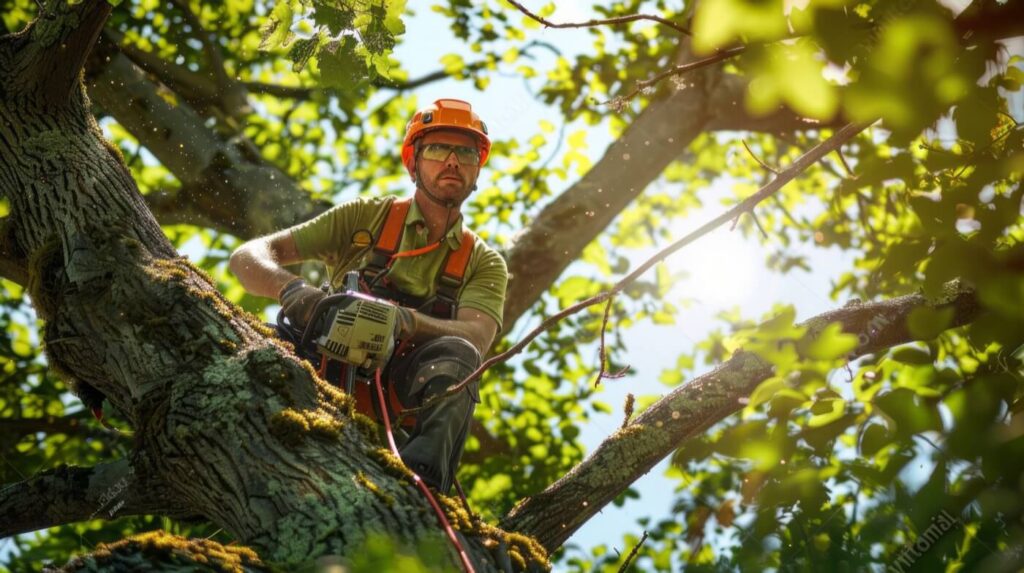
Access Planning: Depending on tree size and location, we determine the safest approach—whether that’s working from ground level with long-reach tools, using climbing techniques, or deploying access equipment.
Precision Cutting: Dead branches are removed at the branch collar (the enlarged area where the branch connects to the trunk or limb), leaving the tree’s natural healing response intact.
Debris Management: All cut material is safely removed from the site, chipped if appropriate, or disposed of responsibly.
Health Monitoring: We assess the tree’s overall condition and recommend additional care if needed, such as crown reduction or crown cleaning.
“When we’re deadwooding a mature oak or beech, we’re not just removing hazards,” explains Andrew Jones, founder of A and J Tree Services. “We’re actually helping the tree dedicate energy to healthy growth. Many property owners are surprised how much better their trees look and perform after professional deadwooding.”
The Difference Between Deadwooding and Crown Cleaning
It’s worth clarifying the difference between deadwooding and crown cleaning, terms sometimes used interchangeably but distinct in practice. Deadwooding specifically targets dead, dying, and diseased wood. Crown cleaning is a broader process that may also include removing crossing branches, weak growth, or lower branches to improve light penetration or sightlines.
A comprehensive tree health program might include both services. Crown cleaning at Walsall properties often happens alongside deadwooding, and our arborists will assess what your specific tree needs during an inspection.
When Should Deadwooding Be Done?
Ideally, deadwooding should be conducted during a tree’s dormant season—late autumn through early spring. This timing minimizes stress on the tree and reduces the risk of pest attraction or disease spread through fresh cuts. However, if dead branches pose an immediate safety risk, they should be removed regardless of season.
For property owners in Walsall and the West Midlands, autumn is typically the optimal window. Trees are preparing for dormancy, the tree surgeon’s workload is slightly less demanding, and you can address hazards before winter weather compounds the risk.
Regular inspection is equally important. Many property owners don’t realize their trees are developing deadwood until a branch falls or becomes extremely obvious. Professional tree inspection every 2-3 years can catch developing problems early, when deadwooding is simpler and less costly.
Insurance and Liability Considerations
From a legal and insurance standpoint, property owners have a “duty of care” regarding hazards on their land. If someone is injured by a falling branch from a tree you own, you could face liability claims if it’s determined you knew or should have known about the hazard. Documentation of professional inspection and maintenance provides evidence that you’ve acted responsibly.
Insurance companies often appreciate—and sometimes require—evidence of professional tree care. If you file a claim related to tree damage or personal injury, your insurance provider will review what maintenance you’ve had performed.
The Cost of Professional Deadwooding
Deadwooding costs vary based on tree size, crown density, location, and the amount of dead wood present. A small tree with minimal deadwood might cost £150-£400, while a large mature tree could range from £400-£1,200 or more. Multiple trees or complex access situations will increase costs.
However, the investment protects your property value and safety. Emergency tree removal following a storm—when a dead branch has already caused damage—typically costs significantly more than preventive deadwooding. Additionally, dead branches that fall unexpectedly can damage structures, vehicles, or cause personal injury, resulting in far greater costs.
At A and J Tree Services, we provide transparent pricing and detailed quotations before work begins. We can discuss the full scope of work needed and help prioritize which trees should be addressed first if you’re managing multiple properties.
Experience and Qualifications Matter
Not all tree work should be attempted by untrained individuals or inexperienced services. Deadwooding often requires working at height, sometimes in a tree’s crown where risks are substantial. Our arborists hold industry certifications, maintain comprehensive insurance coverage, and follow strict safety protocols.
Professional qualifications ensure that cuts are made correctly, the tree’s health isn’t compromised, and all relevant regulations—including those around wildlife protection during nesting season—are observed.
Next Steps for Your Walsall Property
If you’re concerned about dead branches in your trees, the first step is a professional inspection. Contact A and J Tree Services on 07930 095205 to arrange a site visit. We’ll assess your trees, identify any deadwood hazards, and provide a detailed quote for addressing them. Serving Walsall, Wolverhampton, Dudley, Cannock, Willenhall, and throughout Staffordshire, we’re equipped to handle residential and commercial tree care needs.
Deadwooding is an investment in safety, tree health, and property value. Don’t wait for a branch to fall before taking action.
Why Deadwooding Matters
- Safety — Dead branches can fall at any time, in any weather. They are a serious liability risk for property owners.
- Legal duty — Under the Occupiers’ Liability Act, property owners have a duty to keep their land reasonably safe for visitors.
- Tree health — Removing dead wood prevents the spread of decay fungi into healthy parts of the tree.
- Aesthetics — A tree with dead branches removed looks healthier and better maintained.
- Can be done year-round — Unlike most pruning, deadwooding can be carried out at any time of year without harming the tree.
Deadwooding FAQs
How can I tell if branches are dead?
Dead branches typically have no leaves in summer (on deciduous trees), brittle bark that falls away easily, and snap rather than bend. If you are unsure, we can carry out an inspection and advise.
How often should deadwooding be done?
We recommend inspecting trees annually and removing dead wood as needed. Trees in high-footfall areas (schools, parks, car parks) should be checked more frequently.
Do I need permission for deadwooding?
Deadwooding is generally exempt from TPO restrictions because it involves removing dead (not living) material. However, it is always good practice to notify the council if the tree is protected.
Our Services
We're here to help! Call Us Today!
